
Education & Planning
Storm Surge vs. Rain Flooding: What Helene and Milton Taught Tampa Bay
By the Flood Guard team | Updated | 6 min read
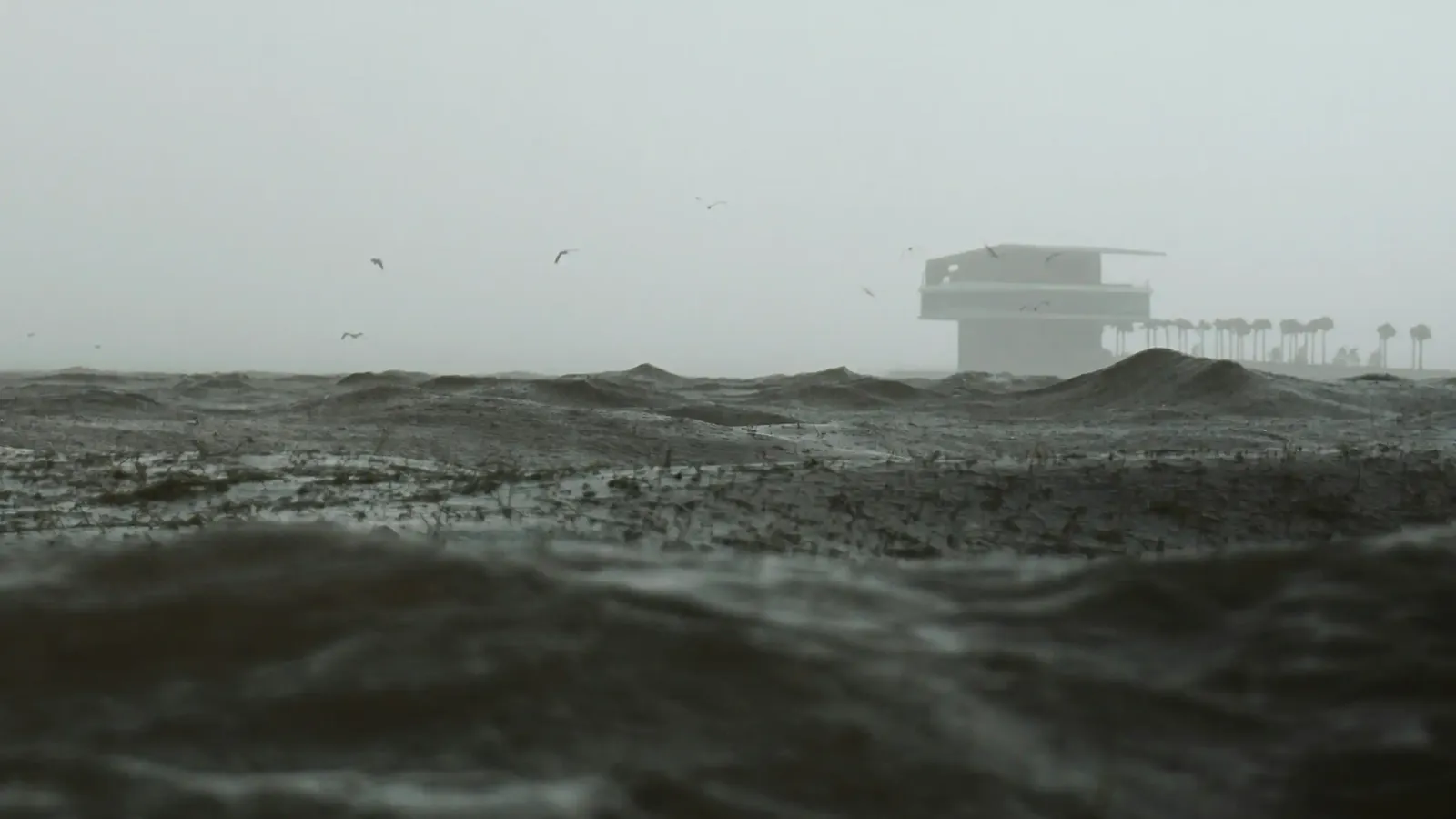
Short answer: in the fall of 2024, Tampa Bay flooded twice in two weeks, in two completely different ways. Helene pushed the Gulf into neighborhoods with the highest storm surge ever recorded in the region. Milton brought far less surge to the bay but dumped well over a foot of rain. A good flood plan has to handle both.
Helene: water from the Gulf
Helene came ashore in Florida's Big Bend in late September 2024, roughly 150 miles north of Tampa Bay. It never came close to a direct hit, yet its sheer size pushed a wall of water into the bay. The National Hurricane Center's final report lists surge heights above normal high tide of about 7.2 feet at Madeira Beach, 6.8 feet at Old Port Tampa and 6.3 feet in St. Petersburg, where the previous record was under 4 feet.
Surge is slow-rising seawater. It came in over hours, filled streets and pushed through every low door, slider and garage. Many of the homes it reached had never flooded before.
Milton: water from the sky
Milton made landfall near Siesta Key on October 9, 2024. Its winds actually pulled water out of Tampa Bay, so surge in the bay itself was only about 1 to 2 feet (it was far worse to the south, around Venice, Boca Grande and Charlotte Harbor). Instead, the problem was rain: about 18.9 inches at Albert Whitted Airport in St. Petersburg and more than 20 inches nearby.
Rain flooding behaves differently. Streets turn into rivers when storm drains can't keep up, low yards fill, and water reaches homes that sit far from any shoreline.
What this means for your home
- Distance from the water isn't protection. Surge reached deep into neighborhoods, and rain flooded places surge never touched.
- Every low opening counts. Surge and rain both come in through the lowest door, slider or garage you left uncovered.
- Height matters. Plan for the deepest water your property could realistically see, not the last storm alone. Our panels go up to 6 feet.
- Speed matters. Two storms in two weeks means putting your protection up, taking it down and doing it again. Panels that one person can install in minutes per opening make that realistic; sandbags don't.
- Drainage helps. Clear gutters, downspouts and yard drains before a storm so rainwater has somewhere to go.
What flood panels do and don't do
Flood panels are made for the slow-rising water both storms brought: surge filling a street, or rain pooling against the house. In the most exposed coastal areas with breaking waves (FEMA's VE zones), elevation and structural design matter more. If you're not sure which applies to you, look up your flood zone or ask us during the assessment.
The lesson
Plenty of Tampa Bay owners prepared for wind in 2024 and were caught by water. The time to protect your openings is before the next storm has a name. Book a free assessment and we'll measure every opening and tell you honestly what your property needs.