
Homeowner Resources
Do Flood Barriers Lower Your Flood Insurance? What Florida Owners Should Know
By the Flood Guard team | Updated | 5 min read
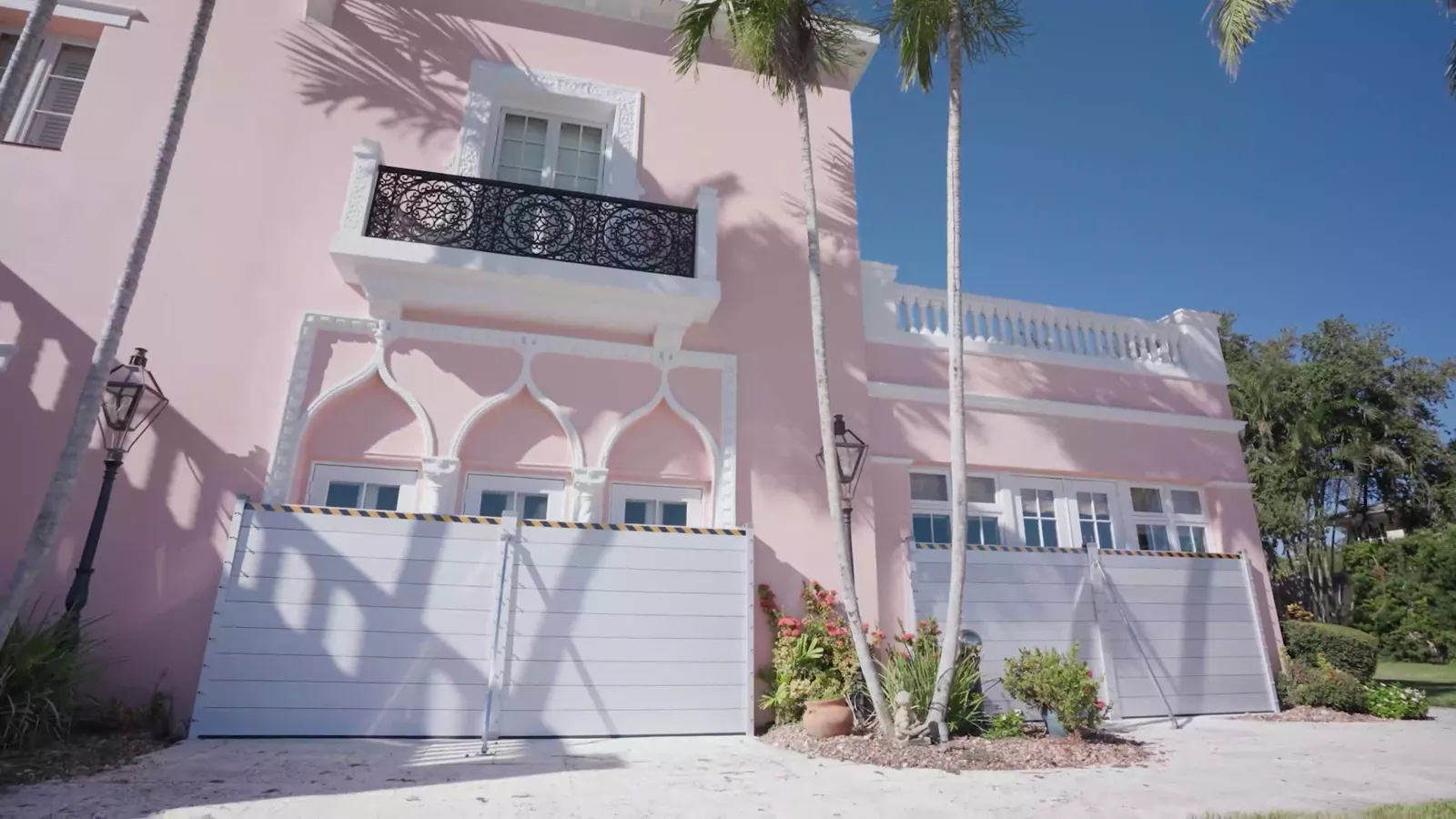
Short answer: for most homes, flood panels don't directly lower a National Flood Insurance Program (NFIP) premium. Dry floodproofing credit under the NFIP is mainly for non-residential buildings that are certified to strict standards. Flood barriers pay off a different way: by keeping you from having to file a claim in the first place.
Insurance rules change and every policy is different, so treat this as a starting point and confirm with your insurance agent.
How flood insurance is priced now
Since FEMA's Risk Rating 2.0, NFIP premiums are based on each building's own flood risk: how far it is from water, the type of flooding it faces, its elevation and how much it would cost to rebuild. A few features can bring the price down:
- Elevation. A higher first floor is still the biggest factor. An elevation certificate can help.
- Flood openings (vents). Proper vents in an enclosure below the first floor, such as a garage or crawlspace, can earn a discount.
- Raised equipment. Moving AC units, water heaters and similar machinery above the first floor can help.
- Your community. Communities in FEMA's Community Rating System (CRS) earn discounts for everyone insured there.
- Dry floodproofing for non-residential buildings. Businesses, condo common areas used commercially and other non-residential buildings may get credit when the floodproofing is certified by an engineer to the required standard.
Why barriers still make financial sense
- Deductibles and limits. A flood claim starts with your deductible, and NFIP coverage has limits. Contents and living elsewhere while repairs happen can add up fast.
- What insurance can't replace. Months out of your home, lost photos and heirlooms, and the stress of rebuilding.
- Claims history. Owners with repeated claims can face higher costs and fewer options.
- Private insurers. Some private flood carriers look at mitigation differently. Ask your agent whether your carrier gives any credit.
Businesses: ask about certification
If you own a commercial building, dry floodproofing can matter for your rating. That usually means engineered, certified protection on every opening below the required level, plus a written plan for putting it up. We provide signed and sealed engineering where permits require it, and site-specific engineering on request. See condo, HOA and commercial flood protection and what dry floodproofing means.
Bottom line
Buy flood insurance and protect your openings; they do different jobs. Insurance helps pay for a flood. Flood panels help stop one. Book a free assessment to see what protecting your property would cost.