
Education & Planning
South Florida's November 2026 Floods: What Happened and What It Means for Your Home
By the Flood Guard team | Updated | 6 min read
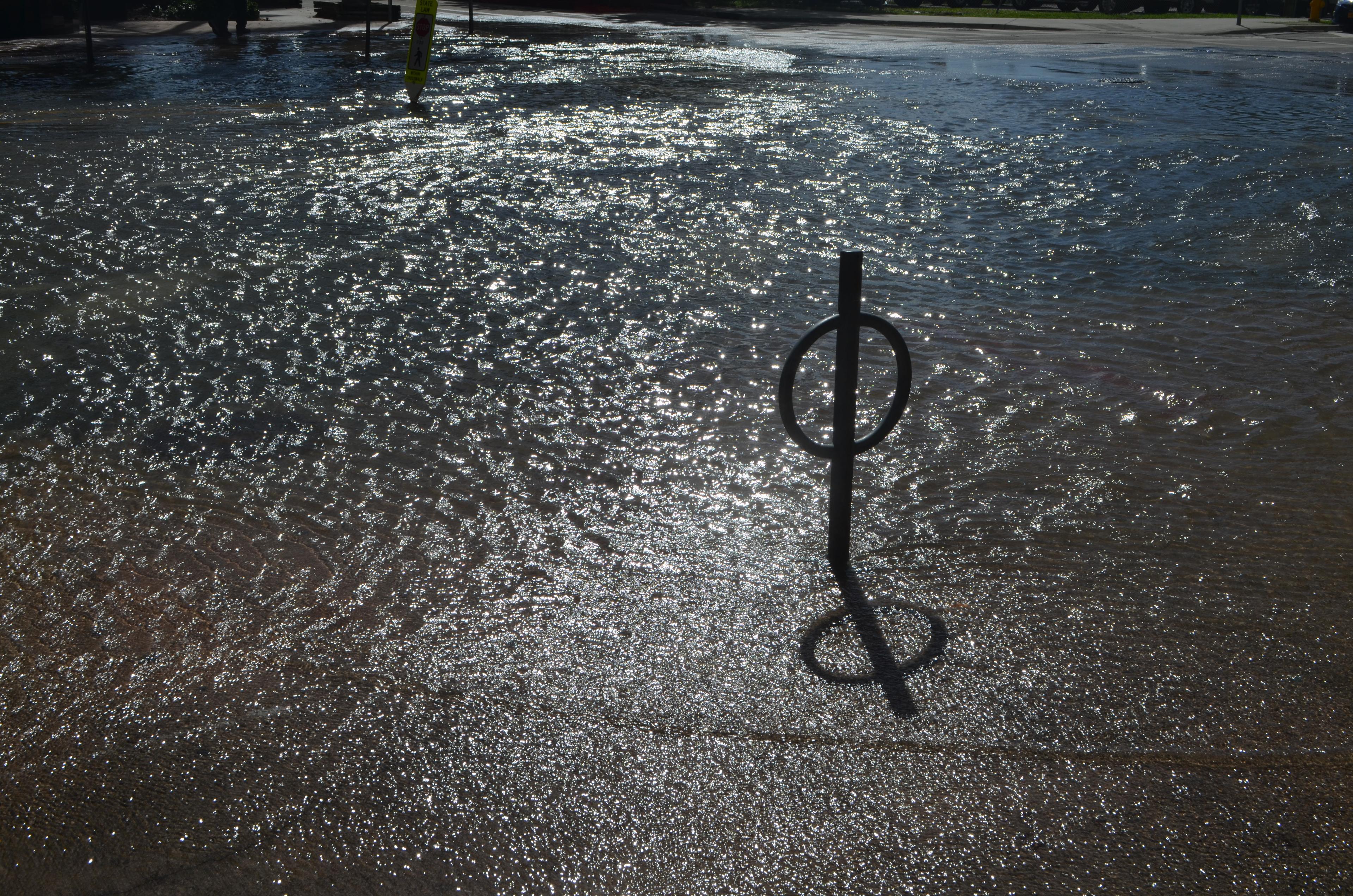
Short answer: in mid-November 2026, slow-moving storms dropped more than 15 inches of rain on parts of Broward County in three days. Neighborhoods flooded, residents were rescued from apartments, and Broward declared a state of emergency. It came just weeks after record king tides flooded the same coast with no rain at all. South Florida can now flood from the sky and from the sea, sometimes in the same month.
What happened
The heaviest rain began the night of Tuesday, November 17, and kept coming for three days. By Thursday morning, CBS News Miami reported 72-hour totals of about 15.4 inches in Sunrise and Hollywood, 15.3 inches in Plantation and more than 13 inches in Davie. NBC 6 reported rain falling at 5 to 8 inches an hour in the strongest storms. Fort Lauderdale set a daily rainfall record of 4.18 inches on November 18, breaking a record from 1959, according to USA TODAY.
- Broward County, Hollywood, Fort Lauderdale and Tamarac declared states of emergency.
- Florida Fish and Wildlife officers rescued dozens of residents and their pets from a flooded apartment complex in Hollywood.
- Floodwater reached parts of Memorial Regional Hospital, and schools closed in Broward and Miami-Dade.
- Flooding was reported from Cutler Bay and Key Biscayne up to Pompano Beach, and rain spread north into Brevard County, where the St. Johns River near Cocoa rose past its record crest.
Why it flooded so badly
South Florida is flat, and its drainage depends on canals, pumps and storm drains that empty toward the ocean. When rain falls faster than that system can move it, water collects in streets and yards. When the ocean is high, as it is during the fall king tides, the water has even less room to drain. Forecasters expected another round of king tides from November 22 to 28, right after the rain.
What to do if your home flooded, or nearly did
- Photograph everything before you clean up, and call your flood insurer. A standard homeowners policy usually doesn't cover flood damage.
- Note where the water came in. The lowest door, slider or garage is almost always the first to leak. That's your most important opening to protect.
- Write down how deep it got. A water line on a wall or garage door tells us exactly how tall your barrier needs to be.
- Don't wait for the next one. Rain like this doesn't come with a hurricane cone days ahead. Protection that's already installed, or can be put up in minutes, is what works.
Where flood panels help
Flood panels are made for exactly this kind of slow-rising water: a street or yard filling up and pushing against your doors. Aluminum panels slide into permanent tracks around each opening and seal against rubber gaskets, so one person can protect a home in minutes. Sandbags take hours, leak and end up in the trash. Here's how the options compare.
Flood Guard is based in Tampa Bay, and our own crew installs across Florida, including Fort Lauderdale, Hollywood, Miami and Miami Beach. Book a free assessment or get a rough price in two minutes.
Sources: CBS News Miami, NBC 6 South Florida and USA TODAY reporting from November 17 to 19, 2026.